The House Archives Built
and Other Thoughts on
Black Archival Possibilities
 

Essays on the Past, Present, and Future of Black Archives

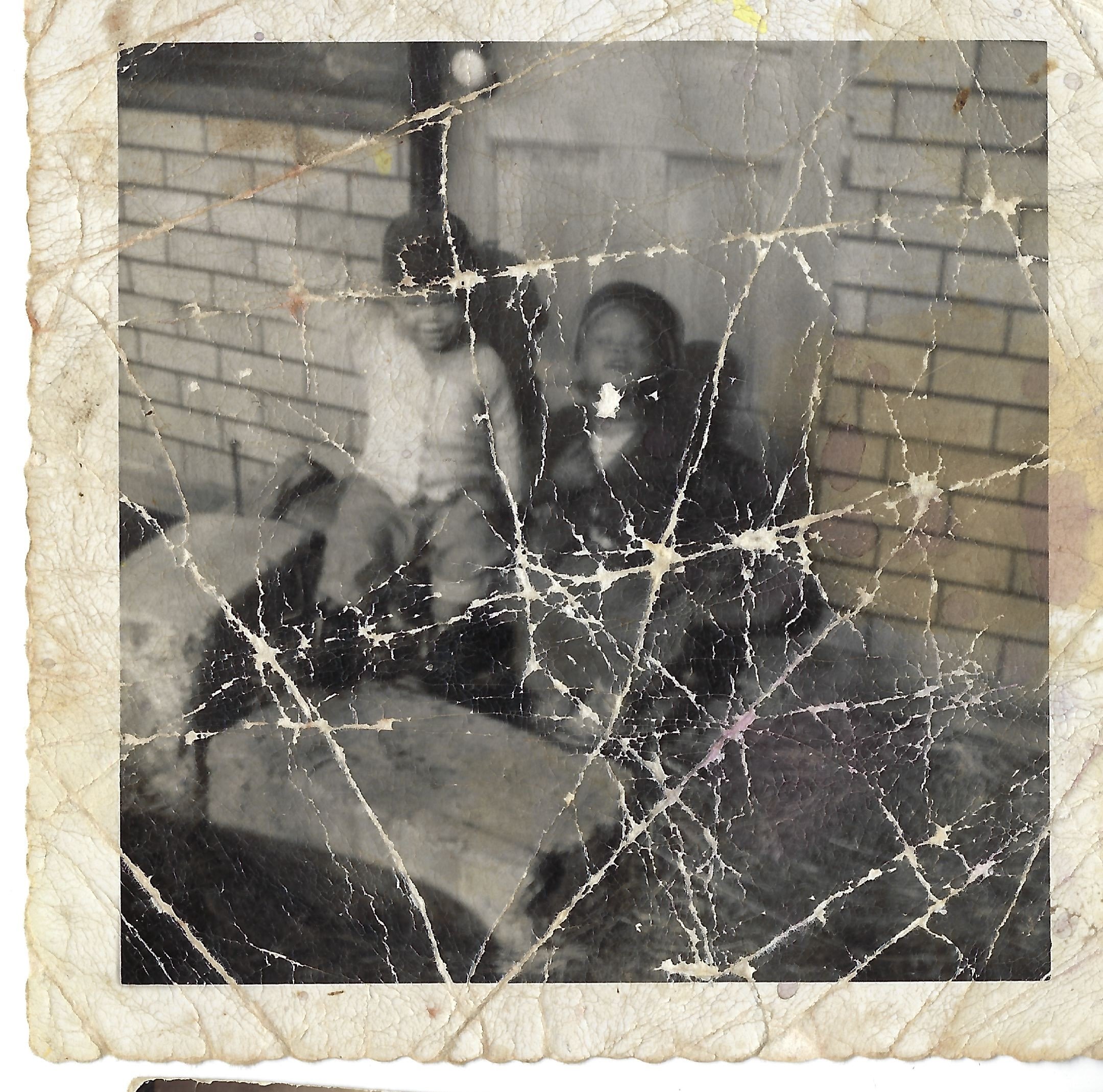
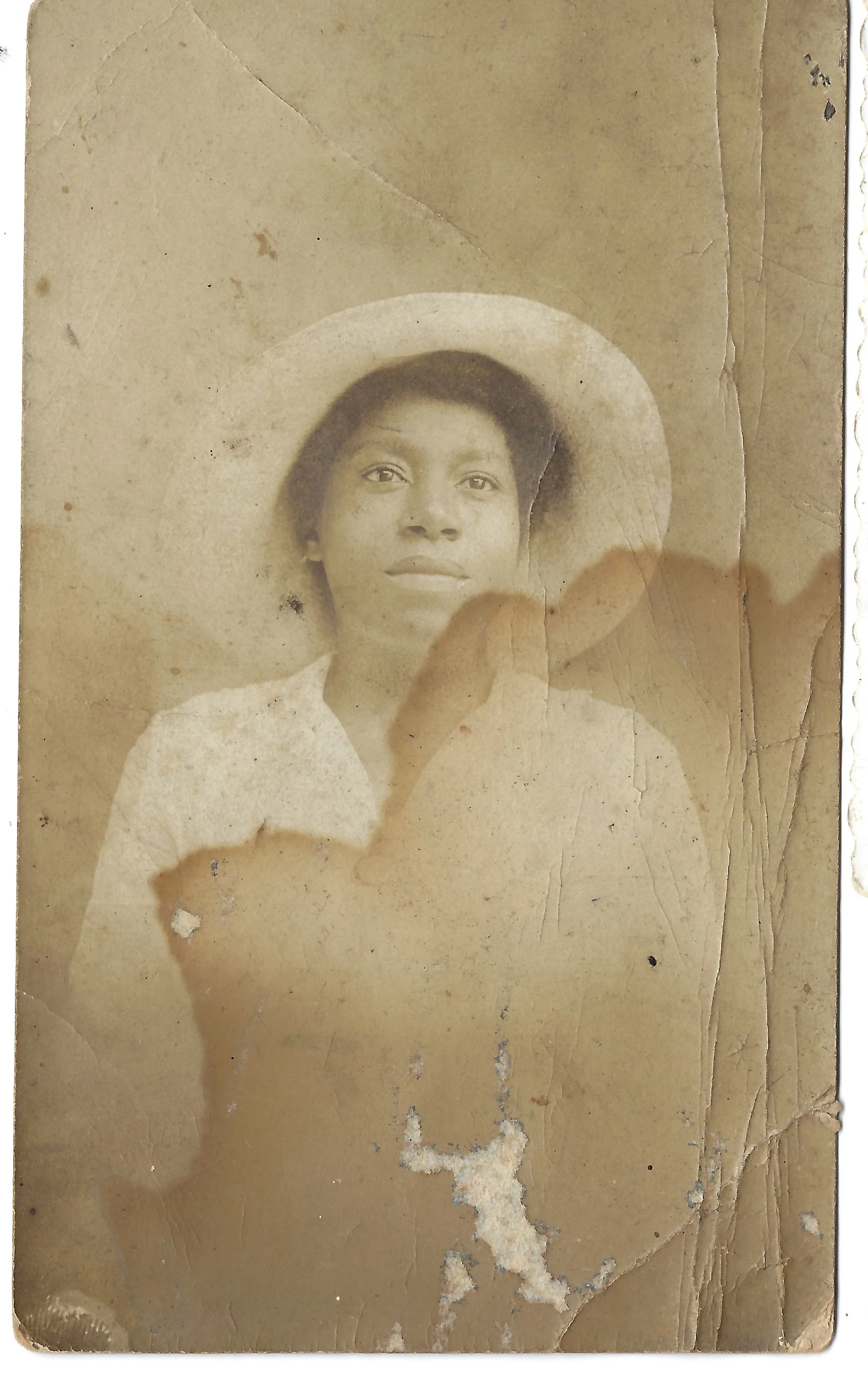
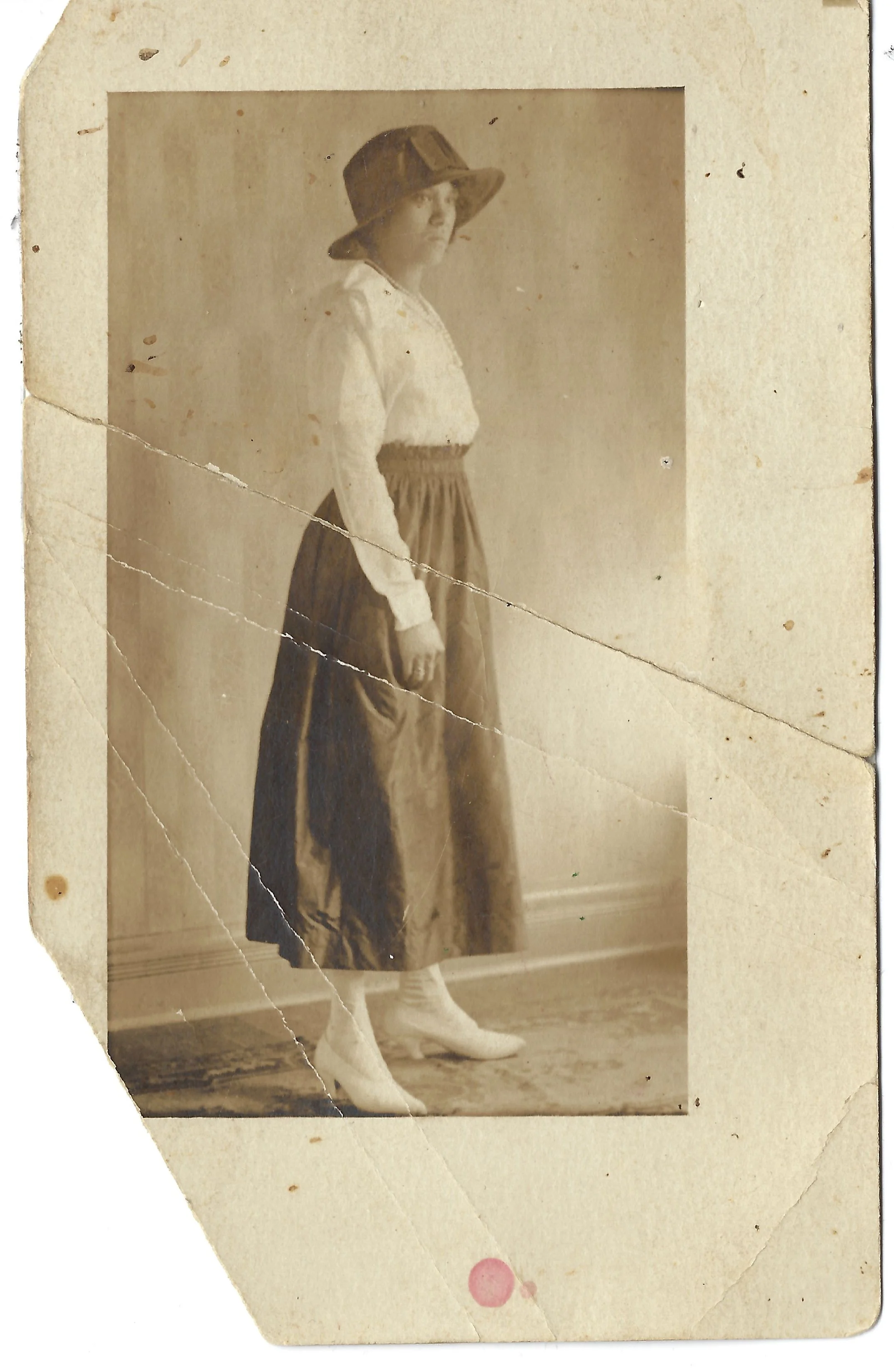
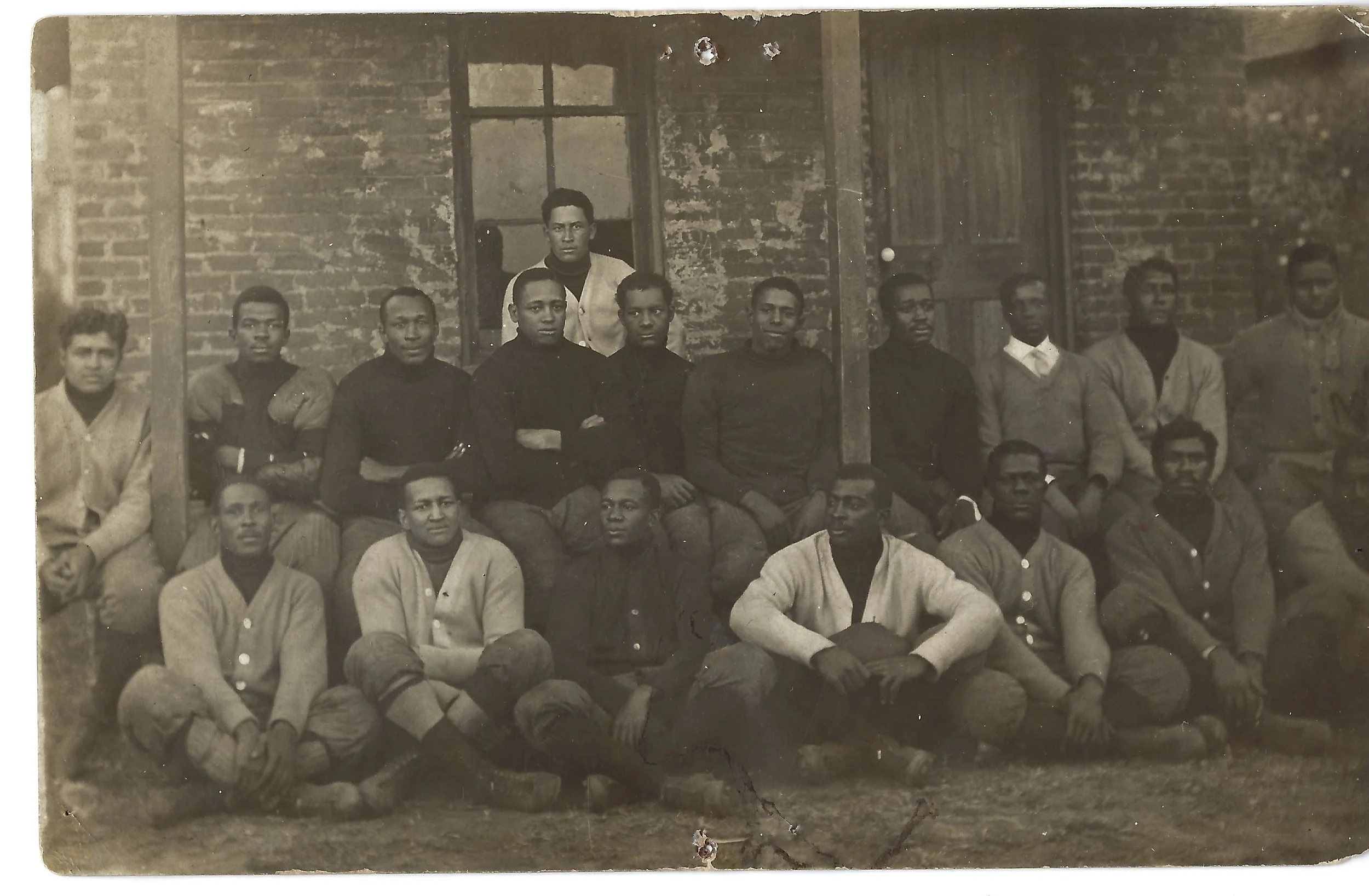
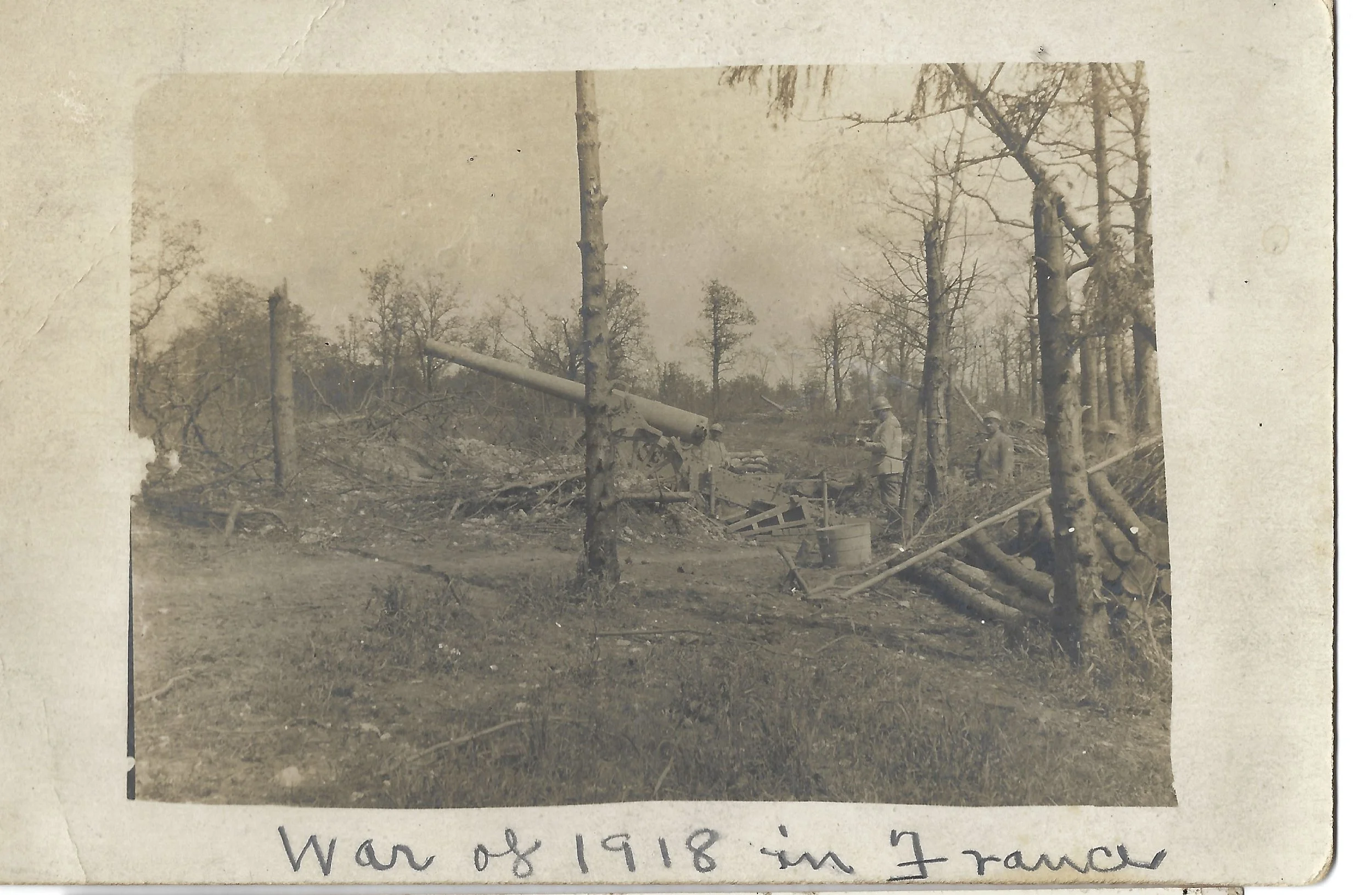
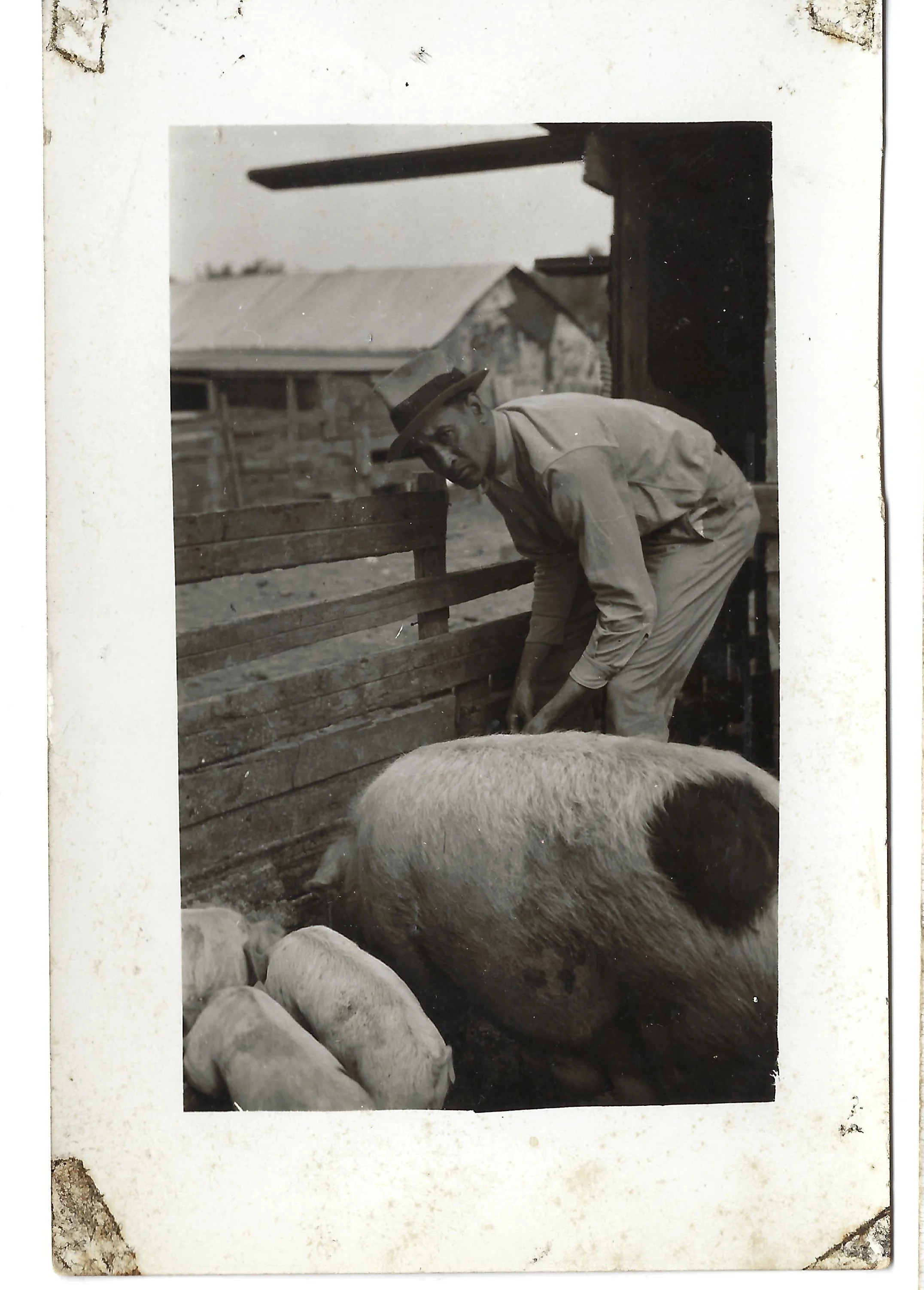
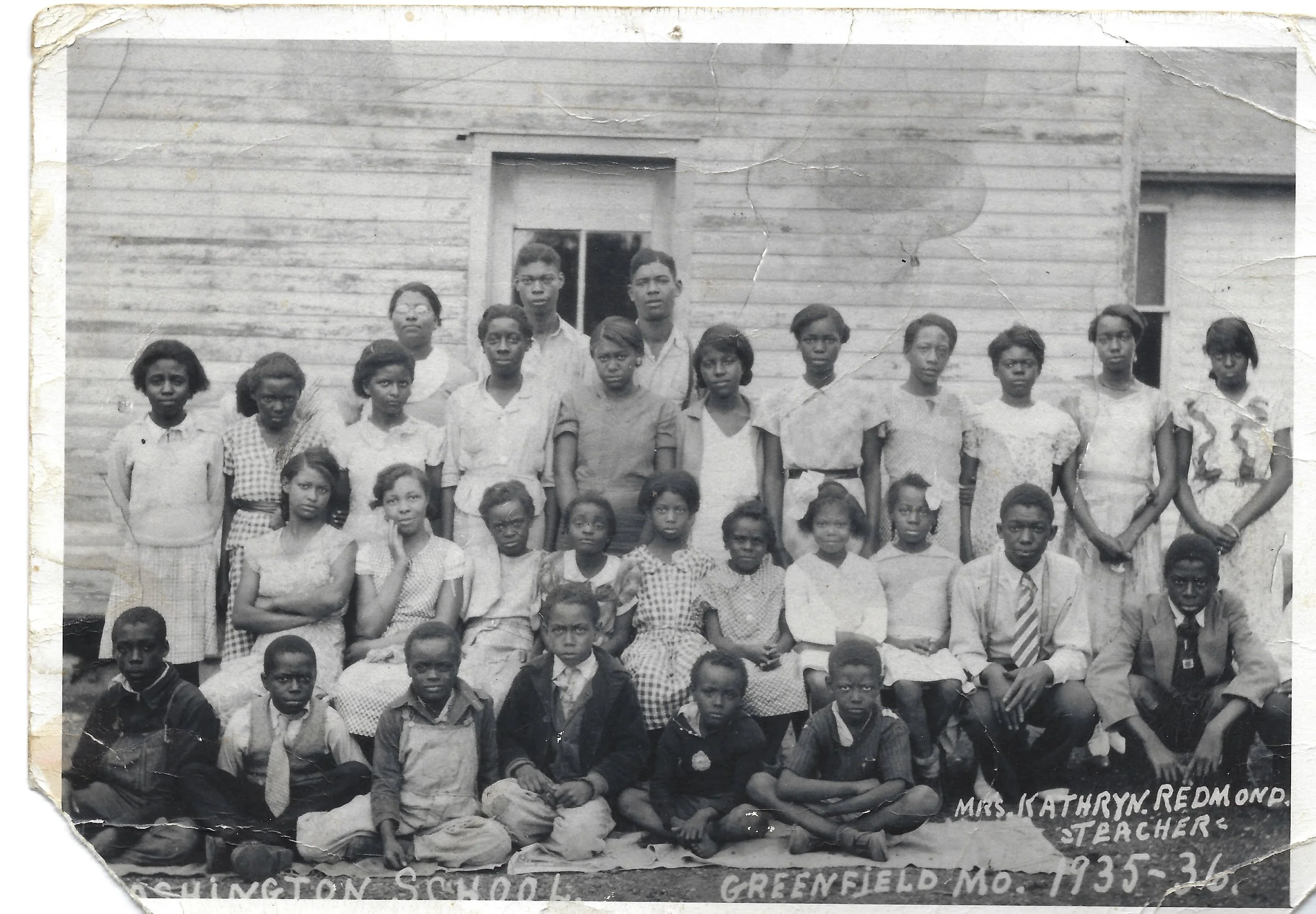
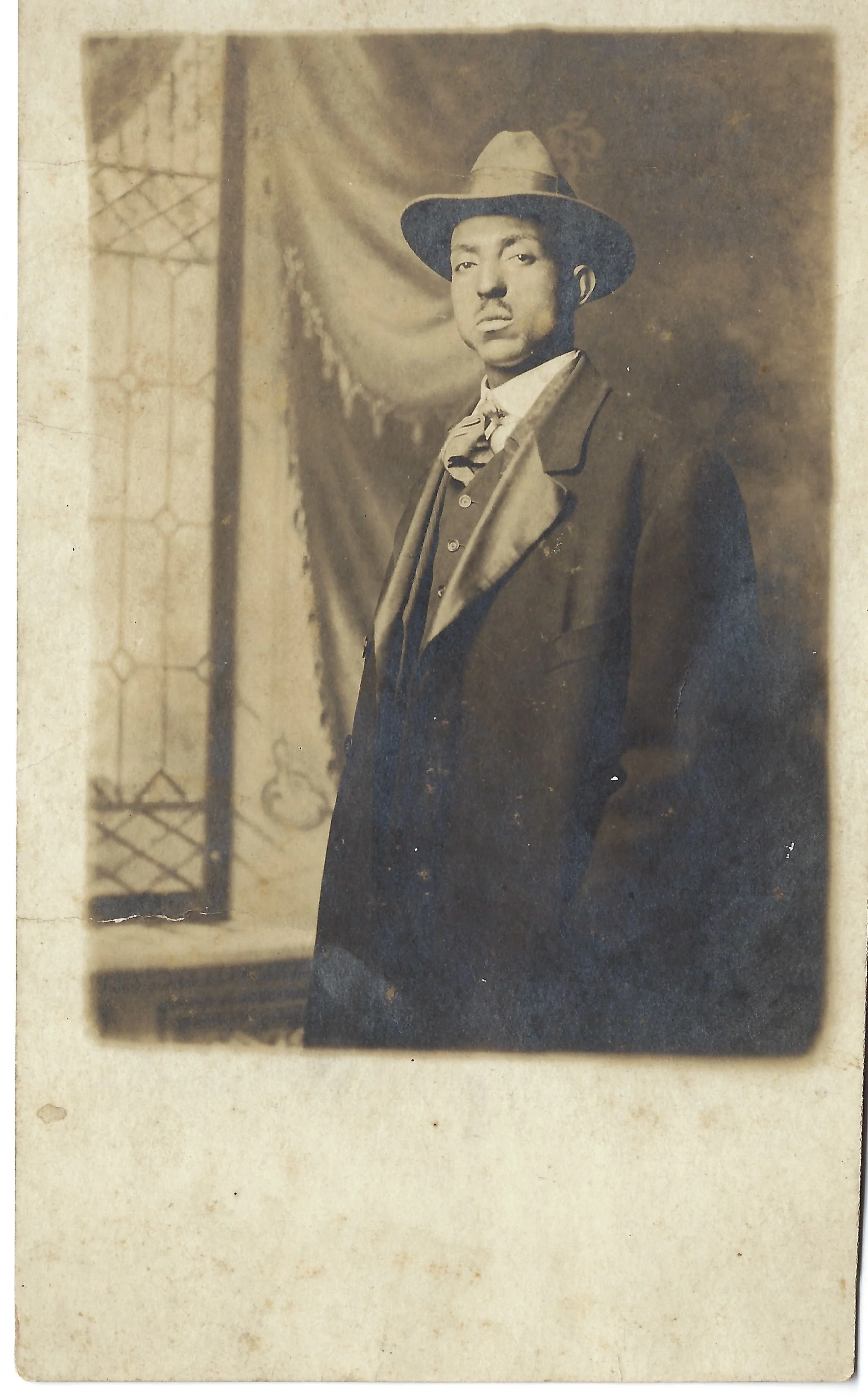
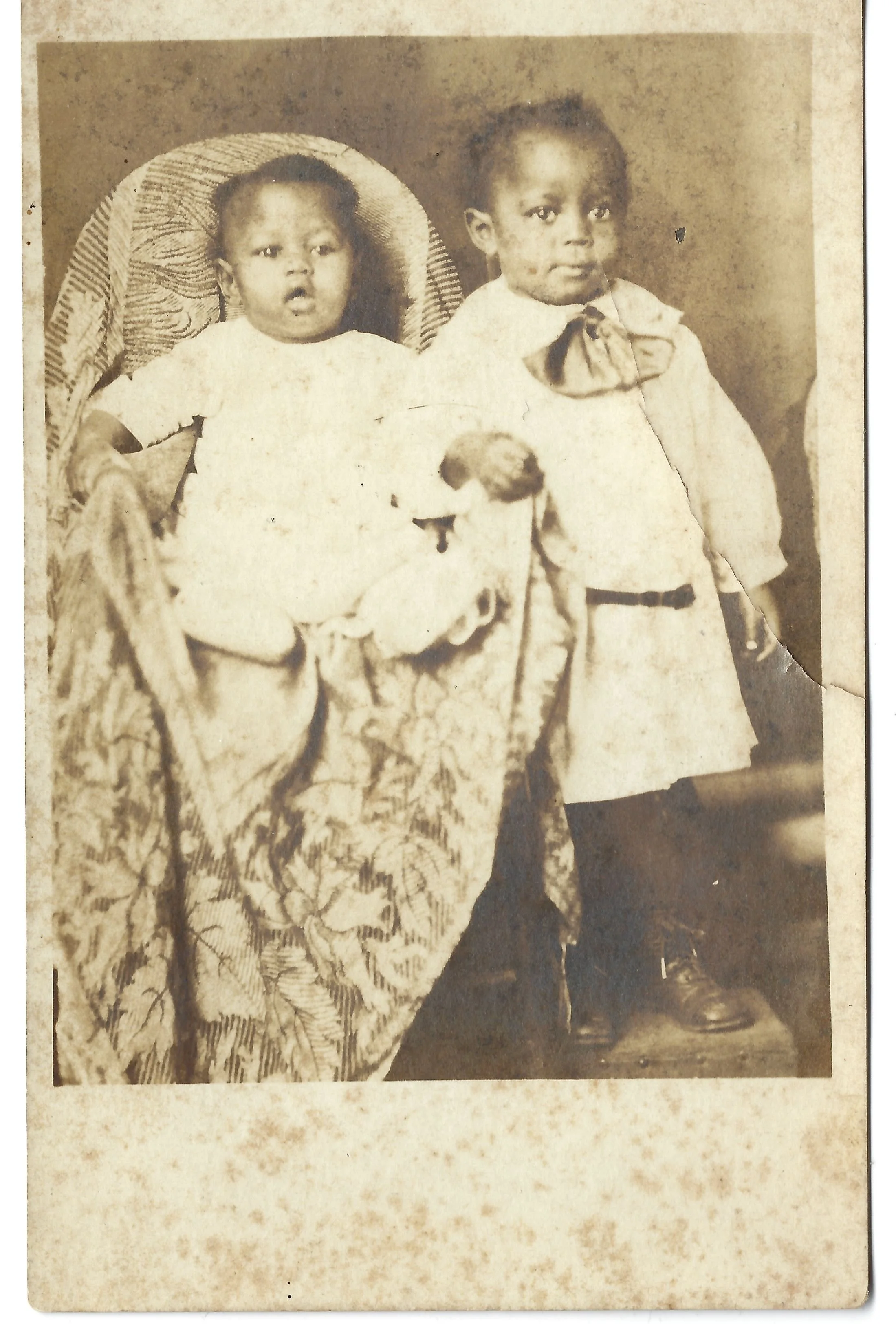
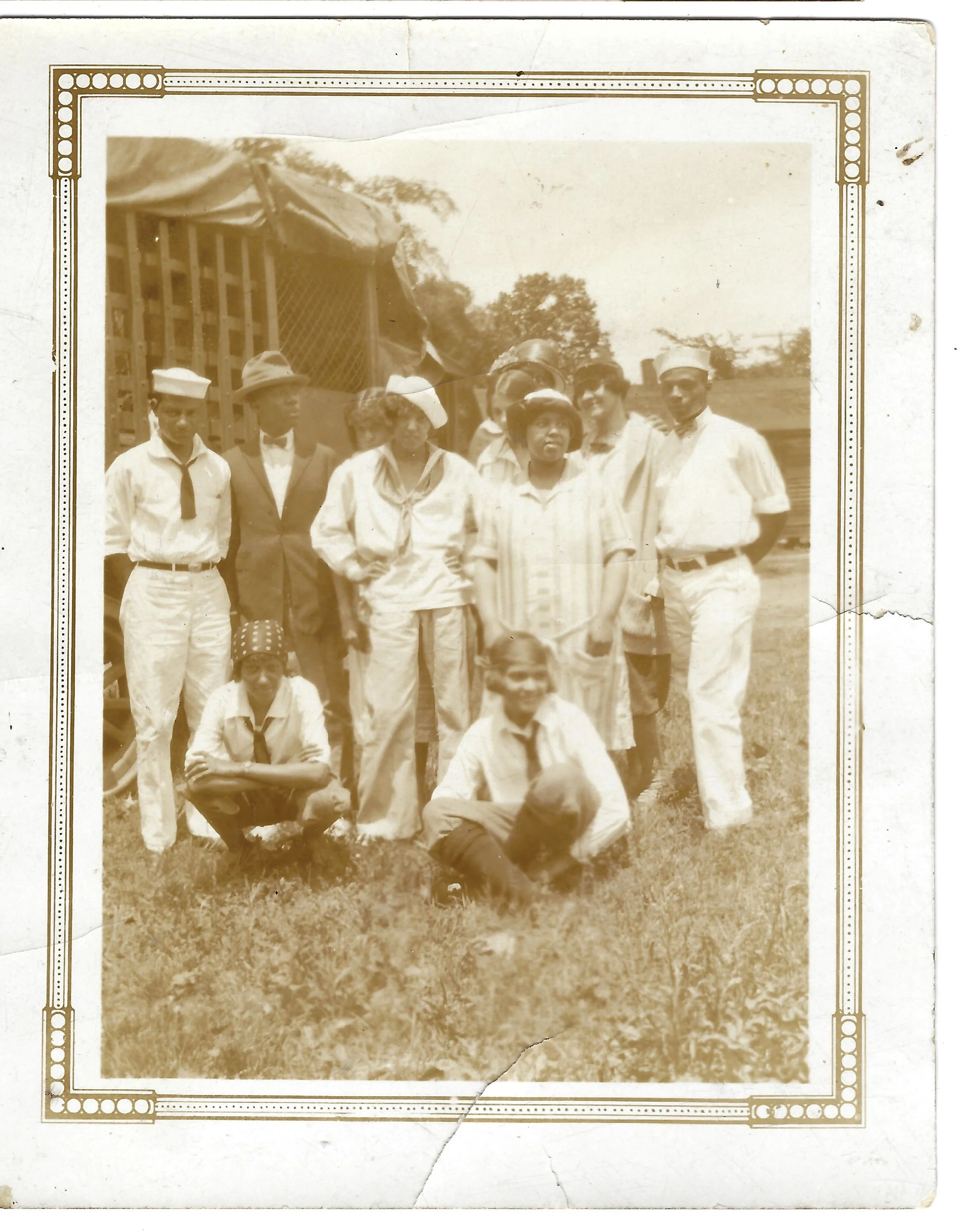
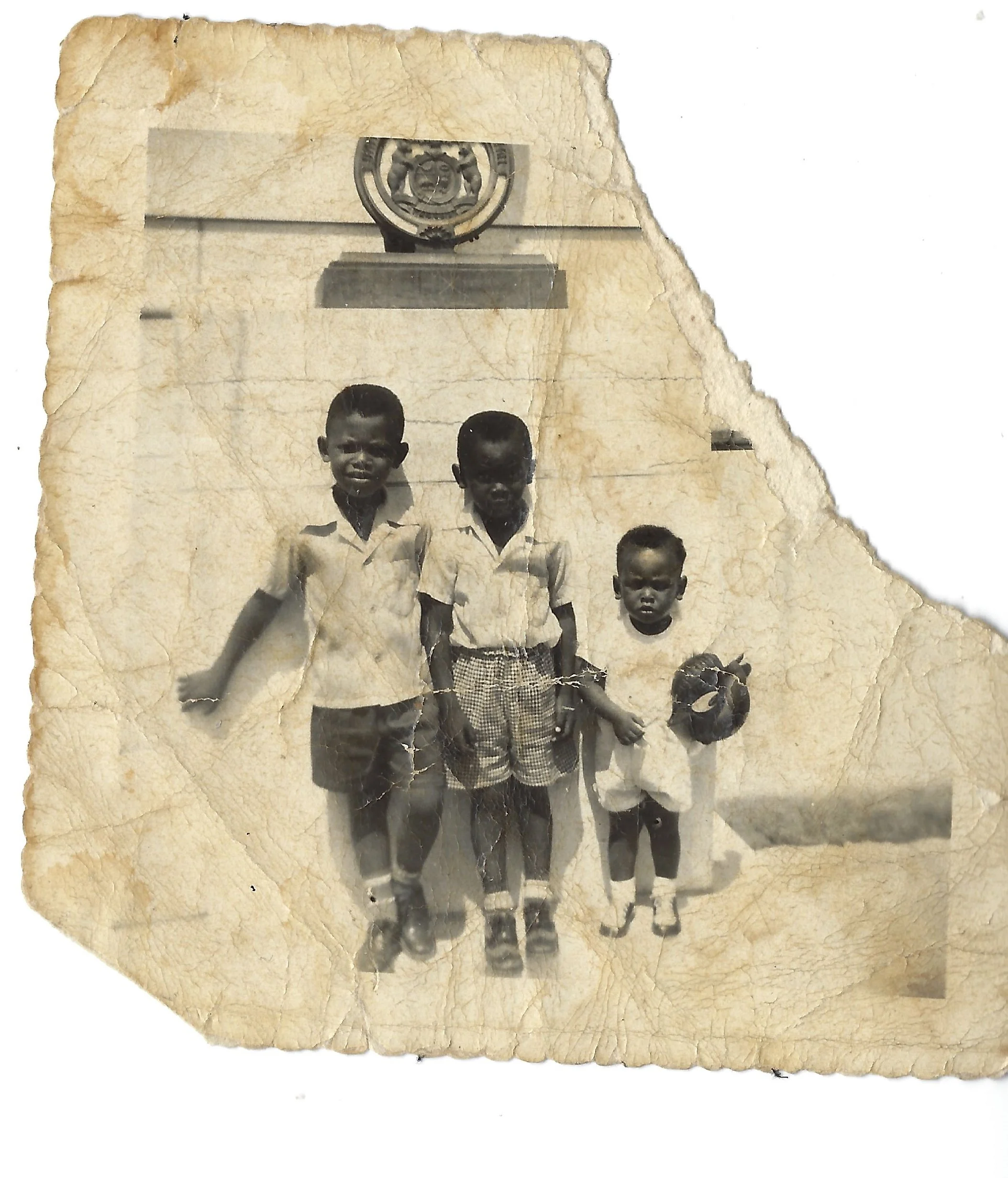
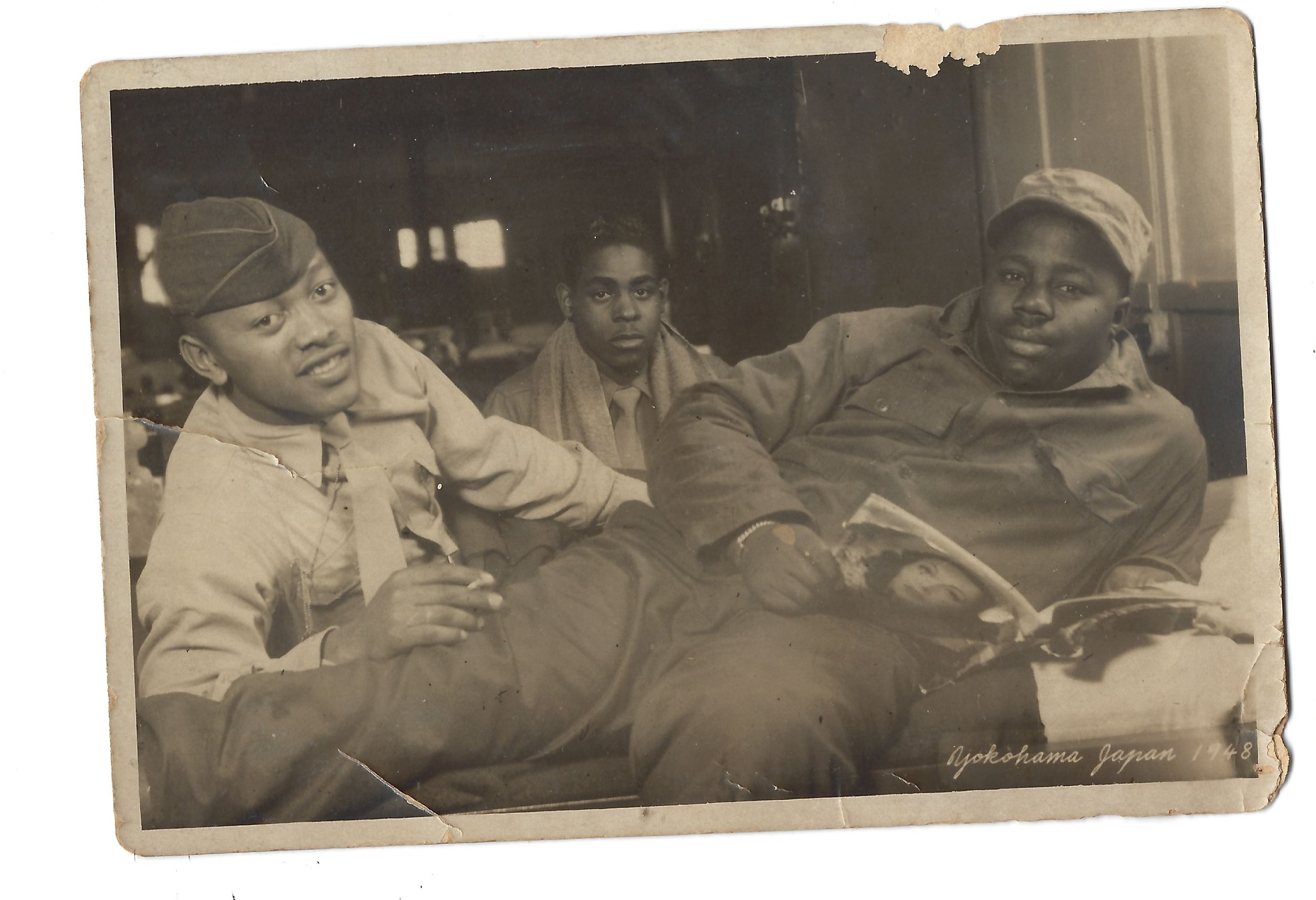
In 2025, We Here Press released their first publication. The House Archives Built and Other Thoughts on Black Archival Possibilities brings together years worth of essays and talks with new, experimental pieces- all focused on exploring archives from the lens of an institutional professional and an inheritor of centuries worth of Black memory.
The first two printings of The House Archives Built sold out in less than a week from release. A new, larger printing will be available in early 2026. To stay notified on the next drop, sign up at We Here Press.


Praise for The House Archives Built

 
The House Archives Built is experimental and hybrid in form, which captures the imagination and leaves the reader wanting more, the next installation.
— Tao Leigh Goffe, Public Books, Public Picks 2025

...Dorothy Berry identifies herself as a ‘digital humanist’. In an era where we find ourselves stalked around the internet by rapacious algorithms bent on convincing us not to think for ourselves, a little ‘digital humanism’ is needed more than ever. Luckily for us, Berry’s perspicacity extends to the analog world, and her slim-yet-rich and evocatively illustrated volume offers a generous, all-encompassing inquiry into the politics, practice, and ethics of documentation, research, and memorialization.
— Ashley Clark, Author of The World of Black Film: A Journey Through Cinematic Blackness in 100 Films

A powerful, poignant, reflection on the past and future of Black archives.
— Kirkus Reviews

Ultimately, the reader is invited to engage Berry’s biographical sketching and assemblage of documents to imagine Black archival possibility – in an increasingly impossible world.
— Brandi T. Summers, Places Journal

A seasoned archivist and musician, Berry experiments with bibliographic and bureaucratic forms, collages together a range of media formats, and harmonizes the voices of Black archivists and archival subjects to find thrilling new possibilities within archives’ institutional and domestic architectures.
— Shannon Mattern, Author of A City Is Not a Computer